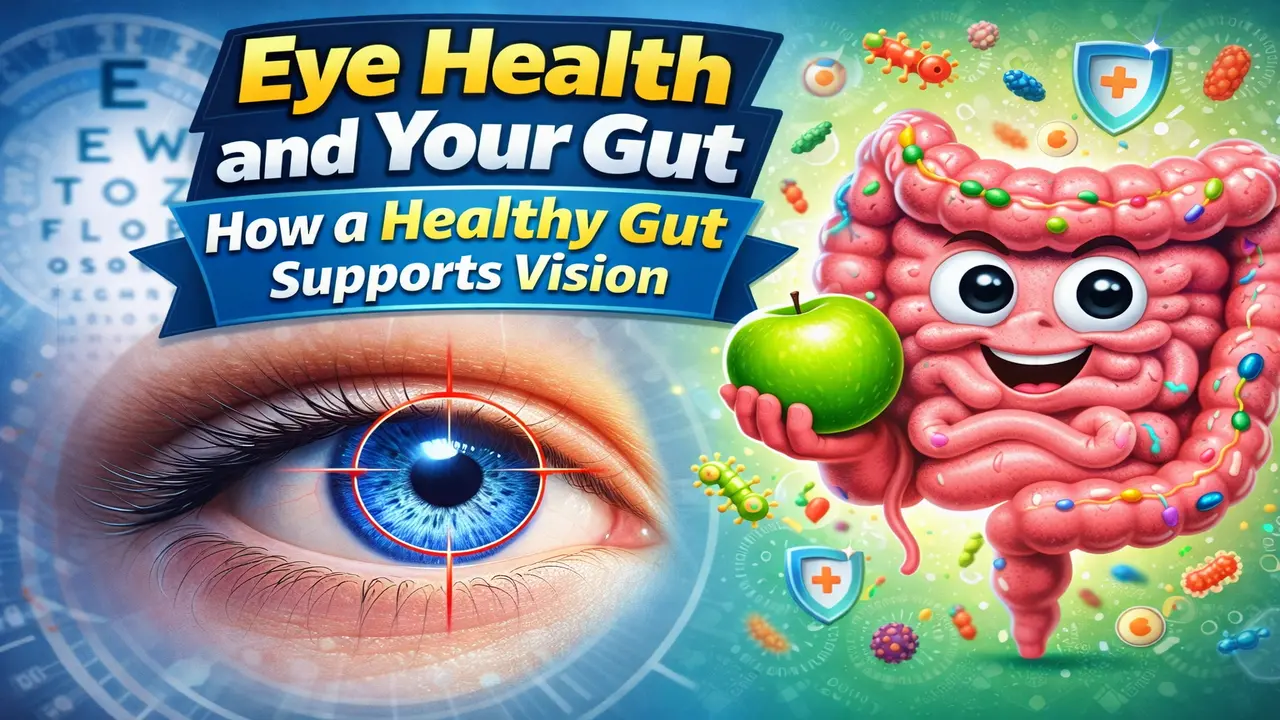
Eye Health and Your Gut : How a Healthy Gut Supports Vision
When most people think about gut health, they focus on digestion, bloating, or bowel regularity. But recent research shows that the gut affects far more than just the digestive system—it plays a vital role in overall health, including the eyes and vision. Scientists are discovering that maintaining a balanced gut microbiome may help protect your eyes, reduce the risk of chronic eye diseases, and even improve visual performance.
This article explores the connection between gut and eye health, common eye conditions linked to gut imbalance, and strategies to nourish both your gut and eyes naturally.
What Is the Gut-Eye Axis?
Your gut is home to trillions of microorganisms, including bacteria, fungi, and other microbes, collectively known as the gut microbiome. These microbes influence:
- Digestion and nutrient absorption
- Immune system function
- Inflammation levels
- Metabolism and hormonal balance
The gut-eye axis is the concept that your gut microbiome can influence your eye health. Certain microbes have positive effects, promoting immunity and reducing inflammation, while others may contribute to chronic diseases when out of balance.
According to the American Academy of Ophthalmology, scientists are exploring how gut health may be linked to eye conditions such as age-related macular degeneration, uveitis, and dry eye disease.
Boost Your Eye Health & Gut Health Today
How Your Gut Microbiome Affects the Eyes
The connection between the gut and eyes occurs through several mechanisms:
1. Inflammation
An imbalanced gut can trigger chronic systemic inflammation. When inflammatory molecules circulate in the blood, they can affect distant organs—including the eyes. Chronic inflammation is a known factor in the development of age-related eye diseases.
2. Nutrient Absorption
A healthy gut ensures optimal absorption of nutrients essential for vision, such as:
- Vitamin A – critical for retina function
- Omega-3 fatty acids – reduce inflammation and support tear production
- Zinc, lutein, and zeaxanthin – protect the retina from oxidative damage
When the gut is unhealthy, nutrient absorption can decline, indirectly harming your eyes.
3. Immune System Regulation
The gut microbiome communicates directly with the immune system. Dysbiosis (an imbalanced gut) can trigger autoimmune reactions, which may manifest in the eyes, such as uveitis or thyroid-related eye disease.
Eye Conditions Potentially Linked to Gut Health
Research suggests several eye conditions may be influenced by gut health:
1. Uveitis
Uveitis is inflammation of the uvea, the middle layer of the eye, which includes the iris, ciliary body, and choroid. Studies indicate that gut dysbiosis and autoimmune disorders, particularly irritable bowel syndrome (IBS), may increase the risk of uveitis.
2. Age-Related Macular Degeneration (AMD)
AMD is a leading cause of vision loss in older adults. Emerging studies suggest that imbalances in gut bacteria may increase inflammation and oxidative stress, raising the risk of AMD progression.
3. Dry Eye Disease
Chronic inflammation and poor gut health may worsen dry eye symptoms. A balanced gut microbiome supports anti-inflammatory processes that help maintain tear quality and eye comfort.
4. Other Potential Connections
Research is ongoing, but gut dysbiosis may also affect:
- Diabetic retinopathy
- Glaucoma (via immune and vascular pathways)
- Autoimmune-related eye disorders
Strategies to Improve Gut Health and Promote Healthy Vision
Maintaining a healthy gut can support eye health. Here’s how:
1. Increase Fiber Intake
Fiber-rich foods promote beneficial gut bacteria, which in turn help reduce inflammation and support nutrient absorption.
High-fiber foods to include:
- Beans and lentils
- Oatmeal and whole grains
- Leafy greens (spinach, kale, Swiss chard)
- Berries (blueberries, raspberries, strawberries)
Fiber also helps regulate blood sugar, which is important for preventing diabetic eye complications.
2. Eat Omega-3 Fatty Acids
Omega-3s reduce inflammation and support tear production, protecting the eyes from dryness.
Foods high in omega-3s:
- Salmon, mackerel, sardines
- Walnuts
- Chia seeds and flaxseeds
- Algae-based supplements (for vegetarians)
3. Stay Hydrated
Water supports digestion, gut microbiome balance, and tear production. Aim for at least 8 cups per day, more if you are active or in a hot climate.
4. Limit Highly Processed Foods
Processed foods, sugar, and trans fats disrupt gut microbiota and trigger inflammation.
Foods to limit:
- Packaged snacks (cookies, crackers)
- Fast food and fried items
- Sugary beverages
- Artificial sweeteners
5. Consider Probiotics
Probiotics may help restore balance to the gut microbiome. Research suggests they may indirectly support eye health through reduced inflammation and improved nutrient absorption.
Common probiotic foods:
- Yogurt with live cultures
- Kefir
- Sauerkraut, kimchi, and miso
- Fermented soy products like tempeh
Note: Consult your physician before taking probiotic supplements to ensure they are appropriate for you.
6. Include Antioxidants and Eye-Friendly Nutrients
Certain nutrients specifically support eye health:
- Vitamin A (carrots, sweet potatoes, spinach)
- Lutein and zeaxanthin (kale, spinach, egg yolks)
- Vitamin C & E (citrus fruits, nuts, seeds)
- Zinc (pumpkin seeds, oysters, beef)
These antioxidants protect against oxidative stress, which can damage retinal cells.
Lifestyle Practices That Support Gut and Eye Health
Beyond diet, lifestyle factors influence gut-eye health:
1. Exercise Regularly
Physical activity supports gut diversity and circulation, which benefits both digestion and eye health.
2. Manage Stress
Stress can trigger gut dysbiosis and systemic inflammation. Practices like meditation, yoga, deep breathing, and mindfulness improve gut function and reduce eye strain from stress-related tension.
3. Prioritize Sleep
Sleep restores gut function and allows eye tissues to repair. Aim for 7–9 hours of quality sleep per night.
4. Protect Your Eyes
Reduce excessive screen time, follow the 20-20-20 rule (every 20 minutes, look 20 feet away for 20 seconds), and wear protective sunglasses to reduce oxidative stress from UV light.
Meal Plan for Gut and Eye Health
Here’s a simple daily guide combining gut-friendly and eye-supportive foods:
Breakfast:
- Oatmeal topped with blueberries, chia seeds, and a dollop of yogurt
- Spinach and mushroom omelet
Lunch:
- Salmon salad with kale, avocado, and walnuts
- Quinoa and roasted vegetables
Snack:
- Mixed nuts and an orange
- Fermented foods like kimchi or yogurt
Dinner:
- Grilled mackerel or tofu
- Steamed broccoli and sweet potatoes
- Sauerkraut or pickled vegetables
Beverages:
- Water
- Herbal teas (ginger, turmeric)
Scientific Evidence and Studies
Gut Microbiome and AMD
Research published in journals like Nature Communications has shown that individuals with AMD often have different gut microbiome profiles compared to healthy controls, suggesting that gut bacteria may influence eye disease risk.
Probiotics and Dry Eye
Small studies indicate that probiotics may reduce markers of inflammation linked to dry eye syndrome, improving tear quality and ocular surface comfort.
Autoimmune Eye Disorders
Gut dysbiosis has been linked to autoimmune diseases such as uveitis and thyroid eye disease, showing that a healthy gut can regulate immune responses affecting the eyes.
Red Flags: When to See an Eye Specialist
While gut-focused strategies support eye health, some symptoms require medical evaluation:
- Sudden changes in vision
- Flashes or floaters
- Severe eye pain or redness
- Double vision
- Persistent dry eye unresponsive to lifestyle changes
These could indicate conditions like retinal detachment, glaucoma, or other serious eye issues.
Conclusion
The gut and eyes are connected in ways science is only beginning to understand. By maintaining a balanced gut microbiome, you can:
- Reduce systemic inflammation
- Improve nutrient absorption
- Support immune regulation
- Protect against age-related eye diseases
- Enhance overall eye comfort and function
Simple lifestyle changes—like eating fiber-rich and omega-3 foods, staying hydrated, managing stress, and taking probiotics when appropriate—can strengthen both your gut and eyes. Your digestive system and vision are linked, and nurturing one can benefit the other.
Investing in gut health is not just about digestion—it’s a strategy for long-term visual wellness and overall vitality.