Oral Care for Babies: Tips for Healthy Teeth and Gums
Taking care of your baby’s teeth and gums from the very beginning is very important. Oral care for babies is not just about keeping their teeth clean—it helps your little one eat properly, speak clearly, and develop a confident smile. Healthy baby teeth also guide the growth of permanent teeth and prevent problems later in life.
Even before the first tooth appears, babies can benefit from oral care. Gently wiping your baby’s gums with a clean, damp cloth after feeding helps remove bacteria and keeps the mouth healthy. Once teeth start to come through, it’s time to introduce a soft infant toothbrush and a tiny amount of fluoride toothpaste. Brushing twice a day, especially at night, helps prevent plaque and tooth decay.
Good oral care for babies also includes healthy eating and drinking habits. Limiting sugary drinks and snacks, avoiding bottles at bedtime, and offering water or milk instead can protect teeth from early decay. Starting oral care routines early teaches your child healthy habits that last a lifetime.
By understanding and practicing proper oral care for babies, parents can ensure strong teeth, healthy gums, and a happy smile for their little ones.
Baby Teeth Development
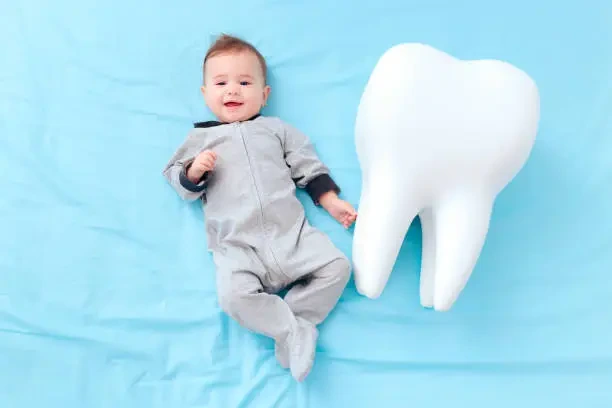
Understanding oral care for babies starts with knowing how baby teeth develop. Baby teeth, also called milk teeth, begin forming while your baby is still in the womb. Most babies get their first tooth between 6 and 10 months, though some may appear a little earlier or later. By the age of three, most children have a full set of 20 baby teeth.
Baby teeth usually appear in a common order. The lower front teeth (lower incisors) often come first, followed by the upper front teeth. Next, the first molars, canines, and then the second molars appear. Each tooth plays an important role in helping your baby chew food properly, speak clearly, and maintain space for permanent teeth.
Even before all teeth come in, practicing oral care for babies is important. Cleaning gums gently and introducing a soft toothbrush once teeth appear helps prevent plaque and tooth decay. Early attention to dental care establishes habits that last a lifetime. By learning about baby teeth development, parents can provide proper care and support, ensuring healthy teeth and gums, and a confident smile for their little ones.
Understanding Teething
Teething is an important stage in your baby’s growth, and it is closely linked to oral care for babies. It happens when your baby’s first teeth start to break through the gums. This process can begin as early as three months, but most babies start teething between six and ten months. Teething can sometimes make babies a little uncomfortable, but it is a normal part of development.
Common signs of teething include drooling, chewing on objects, irritability, and a desire to suck on toys, fingers, or pacifiers. Some babies may also rub their gums or pull on their ears. These behaviors are often just a response to gum pressure and mild discomfort. It’s important for parents to recognize the difference between normal teething symptoms and signs of illness, such as high fever or diarrhea, which should be checked by a doctor.
Parents can help their babies feel more comfortable during teething while maintaining good oral care for babies. Gently rubbing your baby’s gums with a clean finger can soothe soreness. Offering a cold, soft teething ring or a safe object to bite can relieve pressure on the gums. Providing softer foods that are easy to chew can also make feeding more comfortable.
Teething gels and medications are usually not recommended because they may not help and can have side effects. Instead, simple, safe methods like gentle gum massage and cold objects are effective. By understanding teething and combining it with proper oral care for babies, parents can ensure their child’s teeth and gums remain healthy while easing discomfort naturally.
Cleaning Baby Teeth
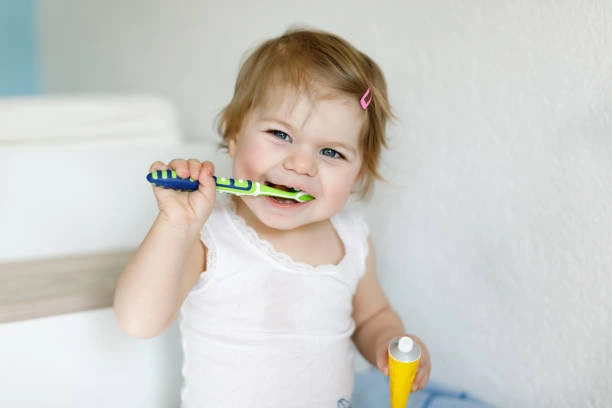
Cleaning your baby’s teeth is a key part of oral care for babies. Even the smallest teeth can collect plaque, which can lead to tooth decay and gum problems. It’s important to start cleaning as soon as the first tooth appears.
For babies under two years old, use a soft infant toothbrush or a clean, damp cloth to gently wipe the teeth and gums. Hold your baby comfortably on your lap or on a safe surface so you can see their mouth clearly. Use gentle, circular motions to clean the front, back, and along the gum line. Brushing twice a day, especially before bedtime, helps remove bacteria and keeps teeth healthy.
For babies over 18 months, you can start using a tiny smear of fluoride toothpaste. This strengthens the teeth and prevents cavities. Encourage your baby to spit out toothpaste rather than swallow it. Replace the toothbrush every 3–4 months or sooner if the bristles look worn.
Making brushing fun can help your baby enjoy the routine. Let your baby play with their toothbrush safely, sing songs while brushing, or give them a toy to hold. Early experiences with tooth cleaning help your child develop healthy habits that last a lifetime.
By practicing proper oral care for babies and cleaning their teeth regularly, you can prevent early dental problems and set the foundation for strong, healthy teeth and gums as they grow.
Using Fluoride Toothpaste
Using fluoride toothpaste is an important part of oral care for babies. Fluoride helps make teeth stronger and protects them from cavities. Even though baby teeth will eventually fall out, keeping them healthy is important for chewing, speaking, and guiding permanent teeth.
For babies and toddlers under 3 years, use just a tiny smear of fluoride toothpaste—about the size of a grain of rice. For children aged 3 to 6 years, a pea-sized amount is enough. Make sure your child spits out the toothpaste after brushing and does not swallow it.
Fluoride toothpaste should be used twice a day, especially before bedtime, to protect teeth from plaque and decay. Using it along with gentle brushing ensures that your baby’s teeth and gums stay healthy. Parents should supervise brushing until the child can do it properly on their own.
Even small amounts of toothpaste are enough to help with oral care for babies. Choosing the right toothbrush with soft bristles and replacing it every few months keeps brushing safe and effective. Starting these habits early helps your child enjoy a lifetime of healthy teeth and gums.
By including fluoride toothpaste in your baby’s routine, you are building strong dental habits and protecting their smile for the future.
Healthy Eating and Drinking
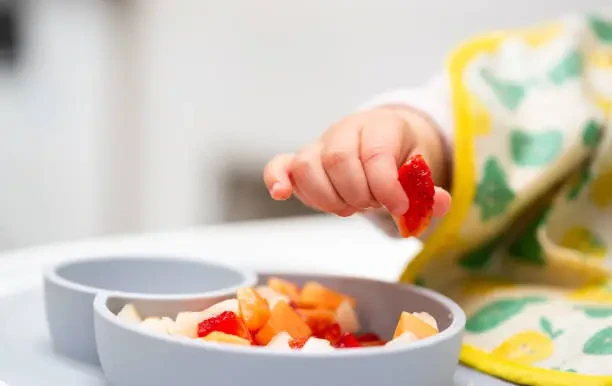
Healthy eating and drinking play a big role in oral care for babies. The foods and drinks your baby has can affect the health of their teeth and gums. Limiting sugary snacks and drinks helps prevent tooth decay and keeps teeth strong.
Until your baby is ready for solids (around 4–6 months), breastmilk or infant formula is enough. After that, you can offer water in a cup along with healthy solid foods. Avoid giving fruit juice, soft drinks, or sweetened drinks, as they can cause cavities.
It’s also important not to put your baby to bed with a bottle. Milk left in the mouth overnight can create a breeding ground for bacteria, leading to early tooth decay. If your baby uses a pacifier or dummy, don’t dip it in sugar, honey, or other sweet substances.
When introducing solids, offer foods that are soft, nutritious, and low in sugar. Fresh fruits, vegetables, and whole grains are great options. Encouraging healthy eating habits from an early age supports good oral care for babies and helps establish a positive relationship with food.
By focusing on nutritious foods, avoiding sugary drinks, and maintaining good feeding habits, parents can protect their baby’s teeth, promote healthy gums, and set the foundation for strong, healthy smiles.
Visiting the Dentist

Regular dental visits are an important part of oral care for babies. Seeing a dentist early helps ensure your baby’s teeth and gums are healthy and gives you advice on cleaning, diet, and overall dental care.
It is recommended to take your baby to the dentist around 12 months of age or when their first tooth appears, whichever comes first. Early visits allow the dentist to check for any potential problems and guide parents on maintaining good oral hygiene habits.
During visits, the dentist may examine your baby’s teeth, gums, and bite. They can also give tips on brushing techniques, using fluoride toothpaste safely, and how to prevent tooth decay. Regular dental check-ups also help your baby get used to the dental environment, reducing fear or anxiety about visits as they grow older.
Parents should aim for dental check-ups every 6–12 months, depending on the child’s needs. Some children may also see dental hygienists or pediatric dental specialists for extra support.
By including regular dentist visits in your routine, you are taking an essential step in oral care for babies. These visits, along with daily brushing and healthy eating, help your child develop strong teeth, healthy gums, and a confident smile that lasts a lifetime.
Tips for Parents
Taking care of your baby’s teeth and gums is easier when you follow some simple tips. Good oral care for babies starts at home and helps prevent tooth decay, gum problems, and other dental issues that can affect your child’s comfort and development. Starting early creates habits that will benefit your child throughout life.
- Start Early: Even before teeth appear, gently wipe your baby’s gums with a clean, damp cloth after feeding. This removes bacteria, keeps the mouth fresh, and builds healthy habits from the very beginning, setting a strong foundation for future dental care.
- Brush Twice a Day: Use a soft infant toothbrush with water or a tiny smear of fluoride toothpaste once teeth appear. Brush gently along the gum line, front and back of each tooth, and make it part of your daily routine to prevent cavities and plaque buildup.
- Make Brushing Fun: Sing songs, use toys, or let your baby safely hold their toothbrush. Turning brushing into a playful activity encourages your child to enjoy it, making oral care for babies a positive experience rather than a chore.
- Healthy Diet: Limit sugary foods and drinks, including juice and sweets. Offer water, milk, and nutritious solid foods. Avoid putting your baby to bed with a bottle, which can lead to tooth decay and affect healthy teeth development.
- Regular Dental Visits: Take your baby to the dentist around 12 months or when the first tooth appears. Early visits help prevent cavities, give professional advice, and help your child feel comfortable at the dentist as they grow.
- Supervise Brushing: Always supervise your baby until they can brush properly on their own. Encouraging the right technique ensures that teeth and gums are cleaned effectively and supports lifelong dental hygiene habits.
Following these tips ensures that your child’s teeth and gums stay healthy and strong. By practicing consistent oral care for babies, parents can help their little ones develop strong teeth, healthy gums, and a confident smile that lasts a lifetime, while building positive habits for the future.
Conclusion
Taking care of your baby’s teeth and gums from the very beginning is essential for their overall health and happiness. Good oral care for babies helps prevent tooth decay, supports healthy gums, and ensures that permanent teeth grow in the right way. Starting early with gentle cleaning, using fluoride toothpaste, and establishing healthy eating habits creates a strong foundation for lifelong dental health.
Regular brushing, nutritious foods, and limiting sugary drinks all play an important role in keeping your baby’s teeth healthy. Visiting the dentist early and routinely ensures that any potential problems are detected and treated quickly, giving your child a positive experience with dental care.
By practicing consistent oral care for babies, parents can help their little ones develop strong teeth, healthy gums, and a confident smile. Teaching children good oral hygiene habits from the start encourages them to continue taking care of their teeth as they grow.
Remember, healthy teeth and gums begin at home with simple routines, proper feeding habits, and regular dental check-ups. With early attention and care, your child can enjoy a lifetime of healthy smiles and strong dental health.
Frequently Asked Question
When should I start oral care for babies?
You should start oral care for babies even before teeth appear by gently wiping gums with a clean, damp cloth after every feed. This helps remove bacteria, keeps the mouth healthy, and prepares your baby for brushing when teeth start coming through.
How often should I brush my baby’s teeth?
Brush your baby’s teeth twice a day, especially before bedtime, using a soft toothbrush. Brushing removes plaque, prevents cavities, protects gums, and helps establish good lifelong dental habits.
Can I use toothpaste for my baby?
Yes, use a tiny smear of fluoride toothpaste for babies under 3 years and a pea-sized amount for children aged 3–6. Always encourage spitting and avoid swallowing, as fluoride strengthens teeth and protects against early decay.
How can I soothe my baby’s teething discomfort?
Rub your baby’s gums gently with a clean finger, give a cold teething ring, or offer soft foods. Avoid teething gels, as they may cause side effects or be unsafe if swallowed.
When should I take my baby to the dentist?
Take your baby to the dentist around 12 months or when the first tooth appears. Early visits help prevent cavities, monitor growth, provide oral care advice, and make your baby comfortable with dental check-ups.
How can I prevent tooth decay in my baby?
Limit sugary foods and drinks, avoid bedtime bottles, and encourage water or milk. Consistent brushing, healthy eating, and regular dental visits all protect your baby’s teeth from decay and keep gums strong.