

6 Factors That Are Essential to Balance Blood Sugar Naturally
Maintaining healthy blood sugar levels is essential for overall wellness. Glucose, the body’s primary energy source, fuels every cell, and keeping it balanced supports both physical and mental health. When blood sugar fluctuates too much, it can lead to fatigue, weight gain, and increase the risk of serious conditions such as type 2 diabetes and cardiovascular disease. Understanding the importance of stable blood sugar is the first step toward long-term health.
Natural strategies can be highly effective in managing blood sugar without the side effects often associated with medications. Simple lifestyle choices, such as eating balanced meals, staying physically active, and managing stress, play a critical role in maintaining steady glucose levels throughout the day.
By focusing on sustainable habits and small, consistent changes, anyone can take control of their blood sugar. These strategies not only help prevent chronic diseases but also improve energy, focus, and overall quality of life.
Understanding Blood Sugar and Its Importance
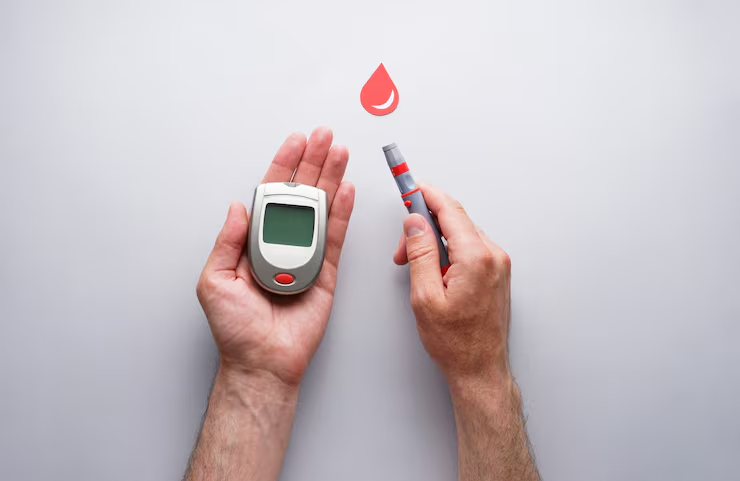
Before exploring strategies to balance blood sugar, it’s essential to understand why regulation matters. Glucose, derived mainly from carbohydrates in the foods we eat, is the body’s primary energy source. The hormone insulin, produced by the pancreas, helps glucose enter cells to be used for energy. When insulin function is compromised, glucose builds up in the bloodstream, causing high blood sugar (hyperglycemia). Over time, this can harm organs, nerves, and blood vessels, increasing the risk of chronic conditions.
On the other hand, low blood sugar (hypoglycemia) can cause dizziness, fatigue, irritability, and even fainting. Both high and low fluctuations affect energy levels, concentration, and mood, emphasizing the need for balance.
Maintaining stable blood sugar is not only vital for physical health but also for mental well-being. Consistent blood sugar levels help sustain energy, improve focus, support mood stability, and protect long-term health, making regulation a cornerstone of overall wellness.
1. Nutrition: The Cornerstone of Blood Sugar Control

Your diet plays a crucial role in managing blood sugar. Choosing the right foods can help keep glucose levels steady, preventing sudden spikes and drops that affect energy, mood, and overall health.
Focusing on whole, minimally processed foods—such as vegetables, lean proteins, whole grains, and healthy fats—supports stable blood sugar. Incorporating fiber-rich foods slows the absorption of sugar into the bloodstream, while avoiding excessive refined carbs and sugary snacks reduces sudden glucose surges.
Meal timing and portion control also impact blood sugar balance. Eating smaller, balanced meals throughout the day can help maintain consistent energy levels and reduce the risk of blood sugar imbalances. By prioritizing mindful food choices, you can take charge of your health and support long-term metabolic stability.
A. Focus on Low-Glycemic Foods
Low-glycemic foods release glucose slowly into the bloodstream. These include:
- Whole grains: oats, quinoa, brown rice
- Legumes: lentils, chickpeas, black beans
- Non-starchy vegetables: spinach, broccoli, zucchini
- Fruits in moderation: berries, apples, pears
Avoid high-glycemic foods like white bread, sugary snacks, and sweetened beverages, as they cause rapid spikes in blood sugar.
B. Balance Macronutrients
A balanced intake of carbohydrates, proteins, and healthy fats stabilizes blood sugar:
- Protein: eggs, fish, chicken, tofu — slows glucose absorption
- Healthy fats: avocado, olive oil, nuts — improves insulin sensitivity
- Complex carbs: provide sustained energy
C. Portion Control and Meal Timing
Consuming large meals can flood your system with glucose, making it harder to maintain stable blood sugar levels. Opting for smaller, more frequent meals helps regulate blood sugar naturally and prevents sharp spikes after eating. Incorporating protein and fiber into each meal further supports steady blood sugar by slowing digestion and reducing post-meal glucose surges.
Regular Physical Activity: Move to Stabilize

Regular exercise is one of the most effective natural ways to manage blood sugar. Physical activity allows muscles to use glucose more efficiently, helping to prevent excess sugar from building up in the bloodstream.
Cardio workouts, strength training, and even daily activities like walking or cycling improve insulin sensitivity, making it easier for the body to regulate blood sugar. Consistent movement also supports weight management, which is closely linked to maintaining healthy glucose levels.
In addition to controlling blood sugar, exercise promotes overall metabolic health, enhances energy, and boosts mood. Incorporating at least 30 minutes of moderate activity most days of the week can create lasting benefits, helping to stabilize glucose levels naturally and supporting long-term wellness.
A. Types of Exercise That Help
- Aerobic exercise: walking, cycling, swimming — improves cardiovascular health and glucose utilization
- Resistance training: weight lifting or bodyweight exercises — increases muscle mass, which stores glucose
- High-intensity interval training (HIIT): short bursts of intense exercise followed by rest — significantly improves insulin sensitivity
B. Frequency and Duration
Aim for 150 minutes of moderate-intensity aerobic activity per week, combined with 2–3 resistance training sessions. Even daily 20–30 minute walks after meals can lower post-meal blood sugar levels.
C. Lifestyle Movement
Incorporating simple daily habits, such as taking the stairs, gardening, or standing instead of sitting, can have a significant impact on blood sugar. Regular movement acts as a natural “insulin booster,” helping muscles use glucose efficiently and supporting stable blood sugar levels throughout the day. Even small activities added to your routine contribute to overall metabolic health and help prevent spikes or dips in blood sugar, making daily physical activity a powerful tool for long-term wellness.
Stress Management: The Hidden Blood Sugar Trigger

Chronic stress can have a major impact on blood sugar regulation. When the body perceives stress, it releases hormones such as cortisol, which signal the liver to release glucose into the bloodstream, preparing the body for a “fight or flight” response.
While this response is helpful in short bursts, prolonged stress keeps cortisol levels elevated, which can lead to insulin resistance. When cells become less responsive to insulin, glucose accumulates in the blood, causing sustained high blood sugar and increasing the risk of metabolic issues over time.
Managing stress through techniques like mindfulness, meditation, deep breathing, or regular exercise can help stabilize blood sugar. By reducing stress, you improve insulin function, support steady glucose levels, and protect long-term metabolic health, making stress management a critical part of maintaining overall wellness.
A. Effective Stress-Reduction Techniques
- Meditation and mindfulness: daily practice reduces cortisol and stabilizes glucose
- Breathing exercises: deep, slow breaths can lower stress levels immediately
- Yoga and tai chi: combine physical activity with stress relief
- Adequate rest: sleep is crucial, as sleep deprivation increases cortisol and glucose
B. Recognizing Stress Triggers
Identifying personal stress triggers—work pressure, family obligations, or environmental stressors—can help you implement proactive coping strategies. Journaling, hobbies, and social support also play a vital role in maintaining mental and metabolic health.
Sleep: The Unsung Hero of Blood Sugar Balance

Sleep is not just a time for rest—it plays a vital role in regulating metabolism and maintaining healthy blood sugar levels. During sleep, the body balances hormones that influence appetite, energy use, and glucose management, making quality rest essential for overall health.
When sleep is poor or inconsistent, it disrupts the body’s hormonal system, including insulin and cortisol levels. These imbalances can reduce insulin sensitivity, making it harder for cells to absorb glucose and leading to higher blood sugar. Chronic sleep deprivation is linked to an increased risk of insulin resistance, weight gain, and metabolic disorders.
Prioritizing consistent, restorative sleep supports stable blood sugar by enhancing hormone balance and glucose processing. Establishing a regular sleep routine, reducing late-night screen time, and creating a relaxing environment can improve sleep quality, protect metabolic health, and promote long-term wellness.
A. Sleep Recommendations
- Adults need 7–9 hours of quality sleep per night
- Maintain a consistent sleep schedule
- Optimize your sleep environment: dark, cool, and quiet rooms
B. Sleep Quality Over Quantity
Interrupted or low-quality sleep can raise blood sugar levels. Avoid stimulants such as caffeine or electronic screens before bed, and consider relaxation routines like reading or warm baths.
C. Impact on Appetite and Cravings
Sleep deprivation increases ghrelin (hunger hormone) and decreases leptin (satiety hormone), often leading to carbohydrate cravings that spike blood sugar. Adequate sleep helps prevent these imbalances naturally.
Hydration: Water as a Natural Glucose Regulator

Proper hydration is an often-overlooked factor in maintaining healthy blood sugar levels. Water is essential for nearly every bodily function, including metabolism and nutrient transport, and it plays a key role in regulating glucose. Staying well-hydrated ensures that your body can efficiently manage blood sugar and maintain overall energy levels throughout the day.
When you are dehydrated, the concentration of glucose in your bloodstream can rise, making it harder for the body to regulate blood sugar naturally. Water helps the kidneys flush out excess glucose through urine, reducing the strain on insulin and supporting stable blood sugar levels.
Incorporating adequate hydration into your daily routine is simple yet effective. Drinking enough water, limiting sugary beverages, and consuming water-rich foods can enhance glucose control, support metabolism, and protect long-term health by keeping blood sugar in balance.
A. How Much Water Do You Need?
A general recommendation is 2–3 liters per day, adjusted for activity level, climate, and body size.
B. Avoid Sugary Beverages
Sodas, sweet teas, and fruit juices can cause rapid blood sugar spikes. Instead, focus on:
- Water (plain or infused with lemon, cucumber, or herbs)
- Herbal teas
- Sparkling water
C. Recognizing Dehydration
Thirst, dark urine, dry skin, or fatigue may indicate dehydration, which can worsen insulin resistance. Keeping hydrated is a simple yet powerful tool for natural blood sugar regulation.
Mindful Use of Natural Supplements and Herbs

Certain herbs and nutrients can play a supportive role in maintaining healthy blood sugar levels. When combined with a balanced diet, regular exercise, and proper sleep, these natural compounds may help the body manage glucose more effectively. While they are not a substitute for healthy lifestyle habits, they can be a helpful addition to your routine.
For example, ingredients like cinnamon, fenugreek, bitter melon, and chromium have been studied for their potential to improve insulin sensitivity and regulate post-meal glucose spikes. Incorporating these into your diet, either through foods or supplements, can complement other blood sugar management strategies.
It’s important to remember that supplements work best alongside consistent lifestyle practices. Maintaining stable blood sugar through diet, activity, stress management, and hydration remains the foundation, with herbs and nutrients serving as an additional tool to support long-term metabolic health.
A. Beneficial Herbs
- Cinnamon: improves insulin sensitivity
- Fenugreek: helps slow glucose absorption
- Bitter melon: may lower blood sugar levels naturally
B. Key Nutrients
- Magnesium: deficiency linked to insulin resistance; found in spinach, nuts, seeds
- Chromium: supports insulin function; present in broccoli, whole grains
- Alpha-lipoic acid: antioxidant that improves glucose uptake
C. Using Supplements Safely
Always consult with a healthcare professional before adding supplements, especially if you are on medications for diabetes or other conditions. The goal is to complement natural strategies, not replace them.
Integrating These Six Factors Into Daily Life
The key to balancing blood sugar naturally is consistency. Here’s a practical approach:
- Optimize Your Diet for Blood Sugar Control: Focus on adopting a low-glycemic, nutritionally balanced diet that is rich in fiber, lean proteins, and healthy fats. These food choices support steady blood sugar levels, reduce glucose spikes, and promote overall metabolic health.
- Incorporate Regular Physical Activity: Engage in consistent daily movement, such as a 30-minute walk after meals or light aerobic and strength exercises. Physical activity enhances insulin sensitivity and helps the body regulate blood sugar more effectively.
- Prioritize Sleep and Manage Stress: Maintain a consistent sleep schedule and incorporate relaxation practices such as meditation, deep breathing, or yoga. Quality sleep and stress reduction play a crucial role in stabilizing blood sugar and supporting hormonal balance.
- Maintain Adequate Hydration: Drink sufficient water and herbal teas while minimizing sugary beverages. Proper hydration assists the kidneys in flushing out excess glucose, contributing to optimal blood sugar management.
- Use Natural Supplements as Supportive Tools: Certain herbs and nutrients may aid blood sugar regulation when combined with a healthy lifestyle, but they should complement—not replace—diet and exercise.

Daily Example Routine:
- Breakfast: oatmeal with chia seeds and berries
- Mid-morning: a handful of almonds and water
- Lunch: quinoa salad with grilled chicken and mixed vegetables
- Afternoon: 20-minute walk
- Snack: Greek yogurt or carrot sticks
- Dinner: baked salmon with broccoli and brown rice
- Evening: meditation or deep-breathing exercises before bed
Consistency over time leads to measurable improvements in energy, mood, and long-term health.
Additional Tips for Sustainable Blood Sugar Balance
- Consistently Monitor Your Glucose Levels: Whenever possible, track and record your blood sugar levels to gain a better understanding of how different foods, activities, and daily habits influence your glucose regulation. Regular monitoring allows for timely adjustments to maintain optimal blood sugar control.
- Limit Harmful Substances: Avoid smoking and the excessive consumption of alcohol, as both can impair insulin sensitivity and exacerbate fluctuations in blood sugar, increasing the risk of metabolic complications.
- Practice Mindful and Conscious Eating: Take time to eat slowly, chew food thoroughly, and pay attention to hunger and fullness cues. Mindful eating promotes stable blood sugar levels by preventing overeating and rapid glucose spikes.
- Maintain a Healthy Body Weight: Achieving and sustaining a healthy weight, even through modest reductions in body fat, significantly improves insulin sensitivity and supports stable blood sugar regulation over the long term.
Conclusion

Balancing blood sugar naturally requires a holistic approach that encompasses lifestyle habits, nutrition, stress management, sleep, hydration, and supportive supplements. By focusing on these six essential areas—healthy eating, regular physical activity, effective stress reduction, restorative sleep, proper hydration, and natural supplementation—you can maintain stable blood sugar levels, enhance energy, reduce the risk of chronic diseases, and promote overall wellness.
Implementing these strategies doesn’t have to be overwhelming. Small, consistent adjustments—such as incorporating more fiber and protein into meals, walking after eating, practicing mindfulness, or improving sleep quality—can make a substantial difference in regulating blood sugar. Over time, these daily habits build resilience, improve metabolic function, and help sustain energy throughout the day.
It’s important to remember that natural blood sugar management is not a temporary solution or quick fix. By observing your body’s responses and gradually integrating these practices, you can create a sustainable routine that supports long-term health, stability, and optimal blood sugar balance.